%20(1).jpg)

Water Pressure in Las Vegas Homes: What’s Normal and When It’s a Problem

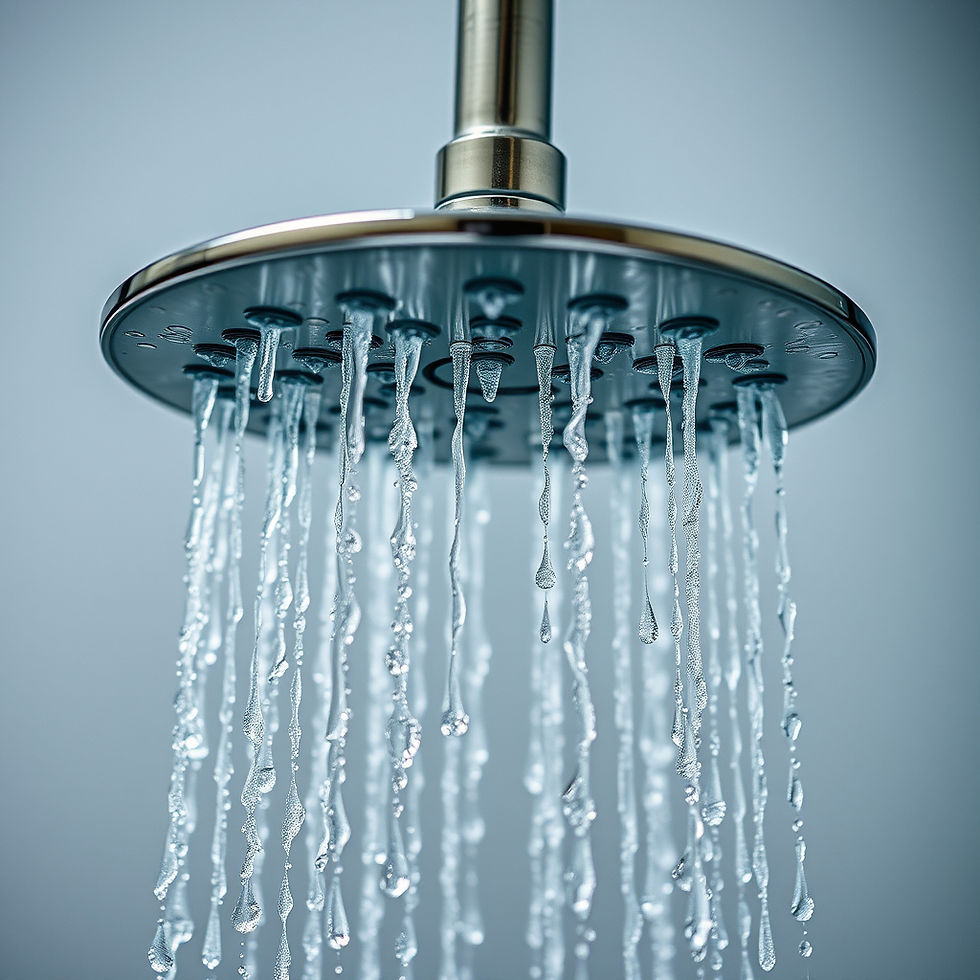
Good water pressure is something most homeowners don’t think about — until something feels off. Whether it’s a weak shower after a long day or plumbing issues caused by excessive pressure, water pressure plays a significant role in comfort, plumbing health, and long-term maintenance in Las Vegas homes.
This guide explains what normal residential water pressure looks like, why high pressure can be a serious issue, and when it’s time to take action.
What Is Normal Residential Water Pressure?
In most homes, normal residential water pressure typically falls between:
✔️ 45–80 PSI (pounds per square inch)
Here’s how pressure levels are generally categorized:
Below 40 PSI → Low water pressure
Below 30 PSI → Too low (can affect fixture performance)
20 PSI → Minimum pressure required by most codes
Above 80 PSI → Too high and potentially damaging
Low water pressure is often more of an inconvenience, while high water pressure can cause real damage throughout a plumbing system.
Problems Caused by Low Water Pressure
Low water pressure is usually noticeable right away.
Common symptoms include:
Weak showers
Slow-filling tubs or sinks
Appliances not operating correctly (washing machines often require minimum pressure)
While low pressure is frustrating, it typically poses less risk than high water pressure.
Why High Water Pressure Is a Serious Concern
Excessively high water pressure can quietly damage your home over time.
High pressure can:
Stress plumbing joints and fittings
Damage supply lines
Shorten the life of faucets and fixtures
Cause seals to fail
Increase water usage and utility bills
Unlike low pressure, high pressure often goes unnoticed until leaks or failures occur.
What Is a Pressure Relief (Reducing) Valve?
To control high water pressure, homes may be equipped with a Pressure Relief Valve, often called a Pressure Reducing Valve (PRV).
What a PRV does:
Reduces incoming water pressure
Can lower pressures as high as 400 PSI
Delivers water at a safe, consistent level
Most are factory set around 45 PSI
In many cases, pressure-reducing valves are required by code when incoming pressure exceeds 80 PSI.
How Water Pressure Is Evaluated During a Home Inspection
During a Las Vegas home inspection, inspectors typically:
Measure static water pressure
Note excessively high or low readings
Look for the presence of a pressure-reducing valve
Identify visible signs of pressure-related plumbing stress
If water pressure concerns are identified, they are documented in the inspection report, along with recommendations for further evaluation.
When to Call a Plumber
If you suspect your water pressure isn’t where it should be, it’s best to contact a licensed plumber. A plumber can:
Measure pressure accurately
Determine whether a PRV is needed
Adjust or replace existing valves
Evaluate plumbing damage related to pressure issues
Addressing water pressure early can help prevent costly plumbing repairs later.
Water Pressure FAQs (Las Vegas)
What is considered high water pressure in a home?
Water pressure above 80 PSI is considered too high and may require a pressure-reducing valve.
Can high water pressure increase my water bill?
Yes. High pressure causes more water to flow through fixtures, significantly increasing water usage and monthly bills.
Is low water pressure dangerous?
Low water pressure is usually more of a nuisance than a danger, though some appliances require minimum pressure to operate correctly.
Do all homes have pressure-reducing valves?
No. Some homes do not have PRVs, especially older properties. Homes with high incoming pressure may need one installed.
Will a home inspection check water pressure?
During a Las Vegas Absolute Home Inspection, water pressure is tested and noted when spigots are accessible and working, then documented in your report.
Final Thoughts on Water Pressure in Las Vegas Homes
Proper water pressure helps protect plumbing systems, reduces water waste, and improves everyday comfort. While low pressure can be frustrating, high water pressure poses a greater long-term risk to your home.
If you’re unsure about your home’s water pressure, a professional inspection or plumbing evaluation can provide clarity and peace of mind.



Comments