
%20(1).jpg)
Concrete Tile Roof Guide for Las Vegas Homebuyers

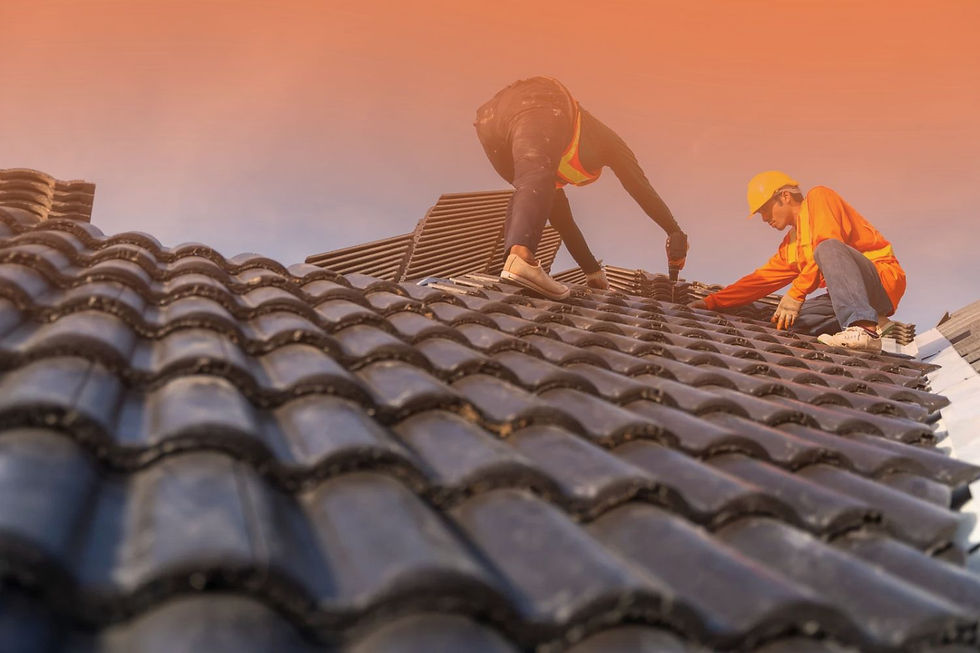
A concrete tile roof in Las Vegas can stay serviceable for 40 to 50 years or longer. The tiles often outlast the underlayment beneath them, though, and roof age alone never tells you a roof's real condition. If you're buying in Henderson, Summerlin, North Las Vegas, or anywhere in the valley, you'll likely see one.
At Absolute Home Inspections, we inspect concrete tile roofs across the Las Vegas Valley, and buyers keep asking us: how much life does this roof have left? This guide covers how these roofs work, what wears them down in the desert, and what a home inspection can and can't tell you.
What Is a Concrete Tile Roof?
A concrete tile roof is a roof covering made of molded tiles built from Portland cement, sand, water, and color pigment. The tiles overlap so water sheds down and off the roof.
The tiles you see are only the top layer. From the bottom up, the full system includes:
Roof deck: plywood or OSB sheathing on the rafters or trusses
Underlayment: the water-resistant layer that serves as the main moisture barrier
Battens: wood strips some installations use to hold the tiles
Concrete tiles: the layer that shields everything below from sun, wind, and debris
Flashing, ridge and hip tiles: the pieces that seal edges, valleys, walls, and penetrations
Around the valley, you'll see three common shapes: flat tiles, low-profile tiles with a gentle wave, and S-tile (also called Spanish or barrel tile) with deep curves.
You'll find all three in communities that grew fast in the 1990s and 2000s, like Summerlin, Green Valley, Mountains Edge, and Centennial Hills.
How Long Does a Concrete Tile Roof Last in Las Vegas?
Concrete roof tiles can remain serviceable for 40 to 50 years or longer, depending on the product, installation, maintenance, and exposure. The underlayment beneath them usually doesn't last as long.
When the underlayment wears out, a roofer can lift the existing tiles, install new underlayment, and reset the same tiles. Contractors call this a "re-lay." It still costs real money, so ask the seller whether it has ever been done. Replacing a few broken tiles is a small repair by comparison, and usually the first fix a roofer suggests.
Age provides context. Condition provides information. A 25-year-old roof isn't automatically bad, and a 10-year-old roof isn't automatically good. Two homes on the same street, built the same year, can have roofs in completely different shapes.

What Shortens Concrete Tile Roof Life in the Las Vegas Valley?
Sun, heat swings, wind, and foot traffic do most of the damage. Concrete tile handles desert heat well, but the whole system takes a beating here.
Sun and heat. Intense UV fades tile color and ages any exposed underlayment or sealant. Hot afternoons and cooler nights make materials expand and contract, which stresses flashing and mastic.
Monsoon storms. The National Weather Service in Las Vegas tracks monsoon season from June 15 through September 30. These storms can bring strong gusts, heavy rain, and blowing debris in a short time, and wind can lift or shift tiles that weren't fastened well.
Foot traffic and penetrations. Solar installers, HVAC techs, and holiday-light hangers all walk on roofs, and every step can crack a tile. Vents, pipes, and solar mounts also cut through the underlayment. For this reason, we check visible penetrations and flashing around panels.
Concrete Tile Roof Pros and Cons
A concrete tile roof is a strong fit for the desert, but it isn't maintenance-free.
Pros | Cons |
Tiles can last 40 to 50+ years | Underlayment usually wears out first |
Non-combustible; most carry a Class A fire rating | Heavy, often around 9 to 12 lbs per sq. ft. |
Handles heat and UV well | Tiles can crack when walked on |
Resists wind when fastened correctly | Color can fade over time |
Usually costs less than clay tile | Older tiles can be hard to match |
That weight matters for older homes. A house framed for lightweight shingles shouldn't get concrete tile unless an engineer or builder confirms the structure can carry it.
Concrete Tile vs. Clay Tile
Concrete and clay tiles look alike from the street but age differently. Concrete tile is usually heavier, absorbs more water, and can fade because its color comes from pigment. It also costs less, which is why it covers most production homes in the valley.
Clay tile is fired in a kiln, holds its color longer, absorbs less water, and often lasts longer, so it shows up more on custom and higher-end homes.
Common Concrete Tile Roof Problems
The problems we find most are cracked tiles, slipped tiles, damaged ridge tiles, and worn sealant around penetrations. None of these automatically means the whole roof needs replacing.
On the Roof Surface
Cracked or broken tiles show up most often near solar arrays, HVAC equipment, and anywhere people walk. Slipped or missing tiles leave gaps that expose the underlayment to the sun.
At Ridges, Hips, and Penetrations
Ridge and hip tiles can crack or lose mortar and mastic. Flashing at walls, valleys, and skylights can pull loose, and sealant around vents breaks down in the heat.
Signs of Past Work
We also note previous repairs, such as mismatched tiles or heavy sealant patches, plus debris in valleys that slows drainage. Our drone photos show buyers exactly where each issue is instead of just describing it.
Inspecting a Concrete Tile Roof
We inspect tile roofs from several angles to gather useful information without cracking tiles.
Here's how a typical roof evaluation works:
Drone flight. Our drone roof inspections capture high-resolution photos of the full roof surface, flown by FAA-compliant operators when conditions allow.
Exterior walk-around. We view the roof and edges from accessible areas around the home.
Attic check. When accessible, we look for staining, moisture evidence, and damaged decking.
Interior scan. We check ceilings and walls for visible moisture signs, using thermal imaging when it helps.

What a Home Inspection Can and Can't Tell You
A standard home inspection is visual and non-invasive. Inspectors don't remove properly installed tiles, and the InterNACHI Home Inspection Standards of Practice don't require inspectors to walk roofs or predict service life.
A home inspection can... | A home inspection can't... |
Document cracked, slipped, or missing tiles | Expose or certify concealed underlayment |
Note visible flashing and penetration concerns | Guarantee the roof won't leak |
Report attic and ceiling moisture signs | Predict exactly how many years remain |
Keep this in mind: absence of attic stains doesn't prove the underlayment is healthy. It only means moisture signs weren't seen in accessible areas that day.
Should You Buy a Las Vegas Home With an Older Concrete Tile Roof?
Yes, an older concrete tile roof alone shouldn't stop you from buying. Many valley homes from the 1990s and 2000s now have 20- to 30-year-old tile roofs. Before you decide, check off these items:
Roof age and whether the underlayment has ever been replaced
Roofing receipts, warranty paperwork, or re-lay records from the seller
Visible tile, flashing, and penetration findings in your inspection report
A roofing contractor's estimate if the report flags several concerns, before your contingency ends
Buying new construction? An 11-month warranty inspection lets you document tile and flashing defects while the builder is still responsible.
Related Questions to Explore
What are the disadvantages of a concrete tile roof? The main drawbacks are weight, brittleness under foot traffic, color fading, and an underlayment that usually wears out before the tiles.
Can you walk on a concrete tile roof? You can, but walking on it can crack tiles. Risk depends on tile profile, age, installation, and where weight lands. That's why we use drones when appropriate.
Is concrete tile better than clay tile? Neither wins for every home. Concrete costs less and offers more colors. Clay holds color longer, absorbs less water, and often lasts longer.
How do I know if the underlayment under my tile roof is failing? Watch for ceiling stains, attic stains, or damp decking, and leaks after monsoon storms. An inspector can report those signs, but a roofer must lift tiles to check the underlayment.
How much does a concrete tile roof weigh? Concrete tiles often weigh around 9 to 12 pounds per square foot, several times heavier than asphalt shingles.
Does a cracked concrete tile mean the roof needs replacement? Not necessarily. A qualified roofer can usually replace individual tiles. How many are damaged, and where, matters more than one crack.
When to Call a Professional
Call a certified home inspector before you close on any home with a concrete tile roof. A buyer home inspection with drone photos gives you a documented picture of visible conditions.
Call a licensed roofing contractor when your report flags concerns, after a monsoon storm leaves slipped tiles, after solar or HVAC work on the roof, or any time you spot water stains.
A home inspector documents what's visible. A roofer can lift tiles, check the underlayment, and price repairs.
Conclusion
A concrete tile roof is one of the most durable roof coverings in Southern Nevada, but the tiles are only part of the story.
Tiles can last 40 to 50+ years; the underlayment usually doesn't.
Roof age gives context. Visible condition gives information.
An inspection documents what's visible but can't verify hidden underlayment.
Buying in Las Vegas, Henderson, Summerlin, or North Las Vegas? Our Certified Master Inspector-led team includes drone roof photos, thermal imaging, and attic inspections in every detailed report.
Schedule your home inspection, and we'll walk you through what we find.

Comments